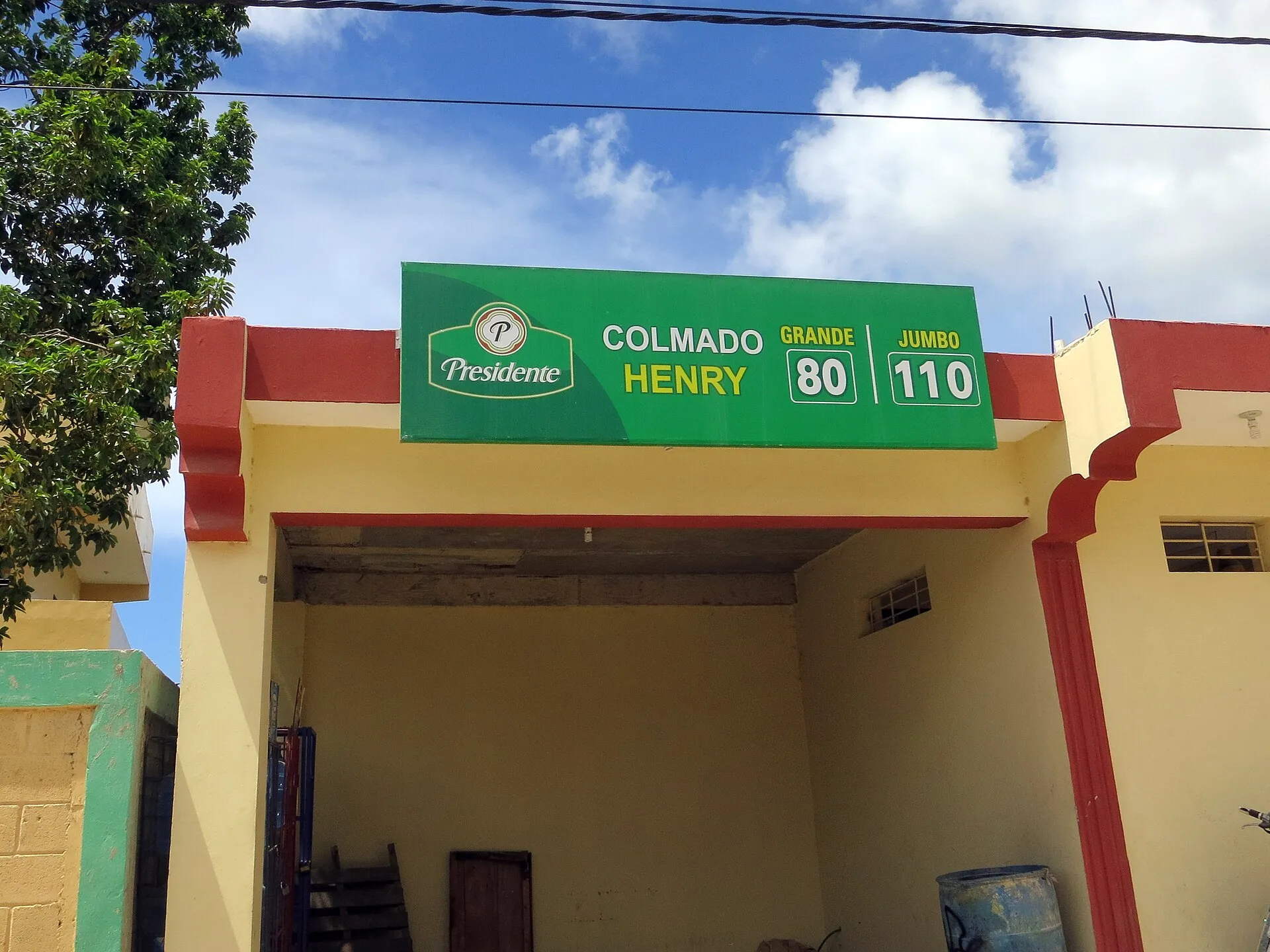
Money and currency in Punta Cana
Photo: Daniel Lobo, CC BY 2.0, via Wikimedia Commons.

Punta Cana uses the Dominican peso (DOP, written RD$), issued by the Banco Central de la Republica Dominicana. The central bank publishes a daily buy and sell rate for the US dollar on its website, so check that figure before you exchange anything. This guide gives no exchange rate, because it changes every day.


What is the currency of the Dominican Republic?
The national currency is the Dominican peso. Its international code is DOP, and prices are usually written with RD$. The Banco Central is the institution that issues banknotes and coins, and its website has a section on notes and coins in circulation. Because designs and denominations change from time to time, use the central bank’s page when you want to recognise notes, rather than an older article.
The central bank’s home page also shows the daily buy and sell rate for the US dollar. A bank, an exchange office, a hotel or a card network will each apply its own margin over that reference. A difference between the reference rate and what you are offered is normal, but it is a number you can ask about.
Can you pay in US dollars in Punta Cana?
Many businesses aimed at visitors quote or accept US dollars. The peso remains the national currency, so two things are worth checking each time:
- Which currency is the price in? A menu, an excursion or a transfer may be priced in dollars or pesos.
- Which rate applies? If you pay a peso price in dollars, the seller chooses the conversion rate.
When both options exist, compare the dollar amount asked with the conversion at the Banco Central reference rate. This is a check, not a rule: some sellers add a margin to cover their own exchange costs.
Should you pay by card, use ATMs or carry cash?
This guide does not publish fees or limits, because they depend on your bank, your card network and the machine. The questions below are the useful ones:
| Method | What to check before you go |
|---|---|
| Debit or credit card | Foreign transaction fees at your bank, and whether the terminal offers to charge in your home currency or in pesos |
| ATM | Fee charged by your bank and by the ATM owner, withdrawal limit, and whether the machine is inside a bank branch |
| Cash in dollars | Rate and fees for converting, and whether a seller accepts it |
| Cash in pesos | Where and at what rate you can get it; small notes are handy for small purchases |
| Resort account | What is charged to the room, and how and when it is settled at check-out |
When a card terminal asks whether to pay in your home currency or in pesos, ask your bank which option is cheaper for your card. Payment in the local currency is often the better choice for many cards, but this depends on your issuer.
Do you need to declare cash at the airport?
The US State Department advisory states that amounts of USD 10,000 or more must be declared on entry and on exit. GOV.UK does not give a figure. It says there are strict rules on goods you can bring in or take out, and that you must declare anything that may be prohibited, taxed or subject to duty. The customs authority publishes its guidance in Spanish at aduanas.gob.do. Confirm the current threshold there if you plan to carry significant cash. The entry requirements page lists the other documents to prepare.
What does an all-inclusive stay cover, and what is extra?
At an all-inclusive resort, the board and drinks are normally covered by the package. Other items are often separate. They vary by resort, so ask the front desk or read the booking confirmation:
- Airport transfers (see airport transfers).
- Excursions and boat trips.
- Spa treatments and some activities.
- Premium drinks or specialty restaurants, depending on the package.
- Taxis outside the resort (see getting around).
- Tips. See tipping at all-inclusive resorts for customs.
The all-inclusive guide explains how the packages work. This guide does not list prices, because they change by season and operator.
How does the central bank rate help you in practice?
The reference rate is a yardstick. Before a large exchange, note the buy and sell figures on bancentral.gov.do for that day. Then compare them with what a bank, an exchange office or a seller offers, and with the amount your card issuer shows on your statement afterwards. The buy and sell rates are different numbers: the bank buys dollars at one rate and sells them at another, so the gap between them is the cost of a round trip. Repeat the check if you need to exchange again later in the trip, because the rate moves.
How do you protect your money?
Official advice on crime is in the safety guide. On money, GOV.UK’s general points apply: keep smartphones out of sight and avoid remote areas after dark. Practical habits that follow:
- Carry only what you need for the day and leave the rest in the room safe.
- Keep a card separate from your main wallet.
- Notify your bank of your travel dates, if your bank asks for it.
- Keep receipts until your card statement is checked.
What should you do before you leave?
- Read the central bank’s reference rate on bancentral.gov.do the day you travel.
- Ask your bank about foreign transaction and ATM fees.
- Check the cash declaration rule before carrying large amounts.
- Ask the resort what is charged to the room.
- Keep a small amount of local currency for small purchases.
Frequently asked questions
What currency is used in Punta Cana?
The official currency is the Dominican peso (DOP, written RD$), issued by the Banco Central. Many tourist businesses also quote in US dollars, but the rate they apply is theirs. Ask in which currency a price is given, and compare it with the Banco Central reference rate before you pay.
Where can I find the official exchange rate?
The Banco Central de la Republica Dominicana publishes a daily buy and sell rate for the US dollar on bancentral.gov.do. The rate changes every day, so this guide prints no figure. Banks, exchange offices, hotels and cards apply their own margins on top of the reference rate.
Do I need to declare cash when entering the Dominican Republic?
The US State Department advisory says amounts of USD 10,000 or more must be declared on entry and on exit. GOV.UK says there are strict rules on goods, and that you must declare anything prohibited, taxed or subject to duty. Check the customs authority (aduanas.gob.do) for the current rule before you carry large sums.
Do I need cash if I stay at an all-inclusive resort?
Some, usually. Meals and drinks are included at an all-inclusive, but excursions, spa treatments, taxis and tips are often paid separately. Ask your resort which services are charged to the room and which need cash or a card. The tipping page explains customs without presenting any amount as a rule.