Is Punta Cana safe?
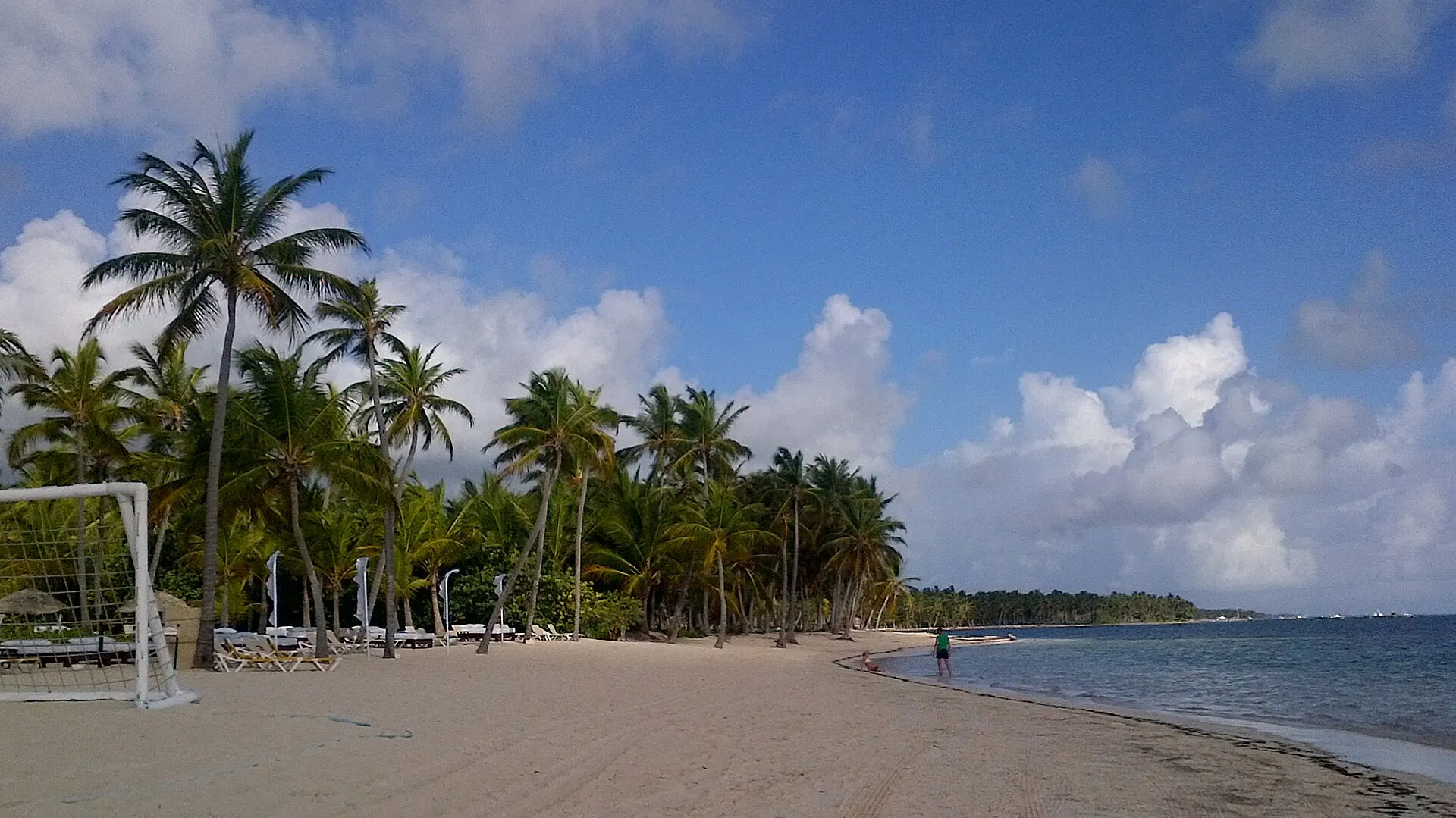
Photo: NoonIcarus, CC BY-SA 3.0, via Wikimedia Commons.

Punta Cana is visited by many travellers without incident, but official advice asks for care. The US State Department rates the Dominican Republic Level 2, “exercise increased caution”, because of crime. GOV.UK states that the crime rate is high. Most advice is practical: use authorised transport, avoid remote areas at night and check sea conditions.
What do the official travel advisories say?
| Source | Level or wording | Main points |
|---|---|---|
| US State Department | Level 2, exercise increased caution | Crime is the stated reason. Tourist areas usually have more police presence than metropolitan or rural areas, and a tourist police unit operates there |
| GOV.UK (FCDO) | No warning against travel to specific areas on the summary page | “The crime rate in the Dominican Republic is high”: bag-snatching, pickpocketing, violent crime and carjacking |
Date caveat: the State Department page could not be opened directly during the research for this page. The Level 2 rating and the 12 June 2025 date come from a search result that quoted the advisory, so check the live page. GOV.UK shows the advice was last updated on 7 August 2026 (outdoor activities and adventure tourism) and was still current when this page was written.
The State Department advisory also covers sexual assault and demonstrations. It advises avoiding large gatherings. It adds that the US Embassy cannot help US citizens cross the land border with Haiti in either direction. Resorts in the Punta Cana area are far from that border, but the point matters if you plan to travel across the island.
What crime should you expect, and how do you reduce the risk?
GOV.UK lists bag-snatching and pickpocketing as well as violent crime. Its advice is concrete:
- Avoid remote areas, especially after dark.
- Keep smartphones out of sight.
- If you are robbed, do not fight back.
- Report a crime to the embassy, which can help you report it to the local authorities.
The rest of this list is general travel-safety practice, not an official Dominican rule: leave your passport in the hotel safe and carry a copy (note that the US State Department says visitors should carry their passport at all times, so check which approach your own government recommends), keep cash and cards separate, and use the room safe for valuables. The money and currency guide covers cards and ATMs.
Are taxis and transfers safe?
GOV.UK says taxis can be cheap but many are in poor condition. It advises using an authorised airport or hotel taxi service, or booking from a registered provider. Ride-hailing apps are widely available, and motorbike taxis are often driven badly and may not provide helmets.
For the first and last trip, a pre-booked transfer removes the guesswork. The airport transfers guide lists options and distances by zone, and getting around covers taxis and apps in more detail.
Is the sea safe for swimming?
GOV.UK says lifeguards may not be present at swimming pools or on beaches. It adds that water sports and boat tours may not meet UK safety standards, so check with operators and make sure you are insured, and that the sea can be dangerous during hurricane season, so follow local sea-condition warnings. Currents and wave height vary by month: see beach flags and rip currents.
What about hurricanes?
GOV.UK says hurricane season normally runs from June to November, and gives the Dominican emergency management centre (COE) as a source of alerts in Spanish through the AlertaCOE app and its X account. The historical data for the area are on the hurricane season page. Check the forecast before departure and follow instructions from your hotel.
What is the emergency number, and what is Politur?
The US State Department says to dial 911 in an emergency. GOV.UK warns that 911 does not have full coverage across the country and that outside Santo Domingo you can call the tourist police, Politur. Politur describes itself as the tourism police directorate of the National Police.
The phone numbers given for Politur differ between government pages, so this page does not print one. Save the number provided by your resort’s front desk and the number on your own government’s travel advice page.
What health risks matter for safety?
Mosquito-borne illness is part of the picture. GOV.UK lists malaria, Oropouche virus disease and dengue as risks. The CDC recommends prescription antimalarial medicine for travellers to parts of the country, and its list of provinces includes La Altagracia, where Punta Cana is located. Dengue has no vaccine or medicine on the CDC page, so prevention is avoiding bites (long sleeves, repellent, air-conditioned or screened rooms). Speak to a doctor or travel clinic well before travel, at least 8 weeks ahead according to GOV.UK. See health and hospitals and, for water, the tap water guide.
GOV.UK notes that public medical facilities are generally limited, that private hospitals offer good care but can be expensive, and that unpaid hospital bills can prevent visitors from leaving the country. Carry travel insurance that covers treatment and repatriation.
What should you do before you go?
- Read the current advisory of your own government, and sign up for update alerts.
- Buy travel insurance that covers activities such as boat trips and excursions.
- Confirm your documents: see entry requirements.
- Save the number of your hotel and your embassy.
- Plan the airport transfer in advance.
Frequently asked questions
Is Punta Cana safe for tourists?
Official advice calls for care, not avoidance. The US State Department rates the Dominican Republic Level 2 (exercise increased caution) because of crime, and GOV.UK describes the crime rate as high. Tourist areas generally have more police presence than other places. Stay in groups at night, avoid remote areas and use authorised transport.
What is the US travel advisory level for the Dominican Republic?
Level 2, exercise increased caution, because of crime. The advisory dated 12 June 2025 was the latest found, and one OSAC mirror says it was reissued after review without changes. Levels can change at any time, so read the current page on travel.state.gov before you book and again before you fly.
What number do you call in an emergency in Punta Cana?
The US State Department says dial 911 for emergencies. GOV.UK warns that 911 does not have full coverage outside Santo Domingo and gives the tourist police, Politur, as the alternative there. Phone numbers listed by governments for Politur differ, so save the number given by your hotel and check your own government's page.
Are taxis in Punta Cana safe?
GOV.UK says taxis can be cheap but many are in poor condition, and advises using an authorised airport or hotel taxi service or booking from a registered provider. Ride-hailing apps are widely available according to the same source. Motorbike taxis are often driven badly and may not provide helmets.